St Michael’s Church and The School: 1851-2026
The educational vision of the Canterbury Association was central to its hope of establishing “a good and right state of Society” in the new settlement. On 1 March 1851, the Lyttelton Times reported:
“It was determined to commence an elementary and commercial school at Christ-church, as soon as possible, for both boys and girls. The want of such an institution begins to be greatly felt on the plains.
Mr. Cridland, the architect, has already furnished designs for a large, temporary, wooden building, to be used both as a school and a church; a portion of the eastern end being separated from all common uses, and shut in by drapery during school-hours.”
New Zealand Pamphlets. 27, 1851-70 CCL
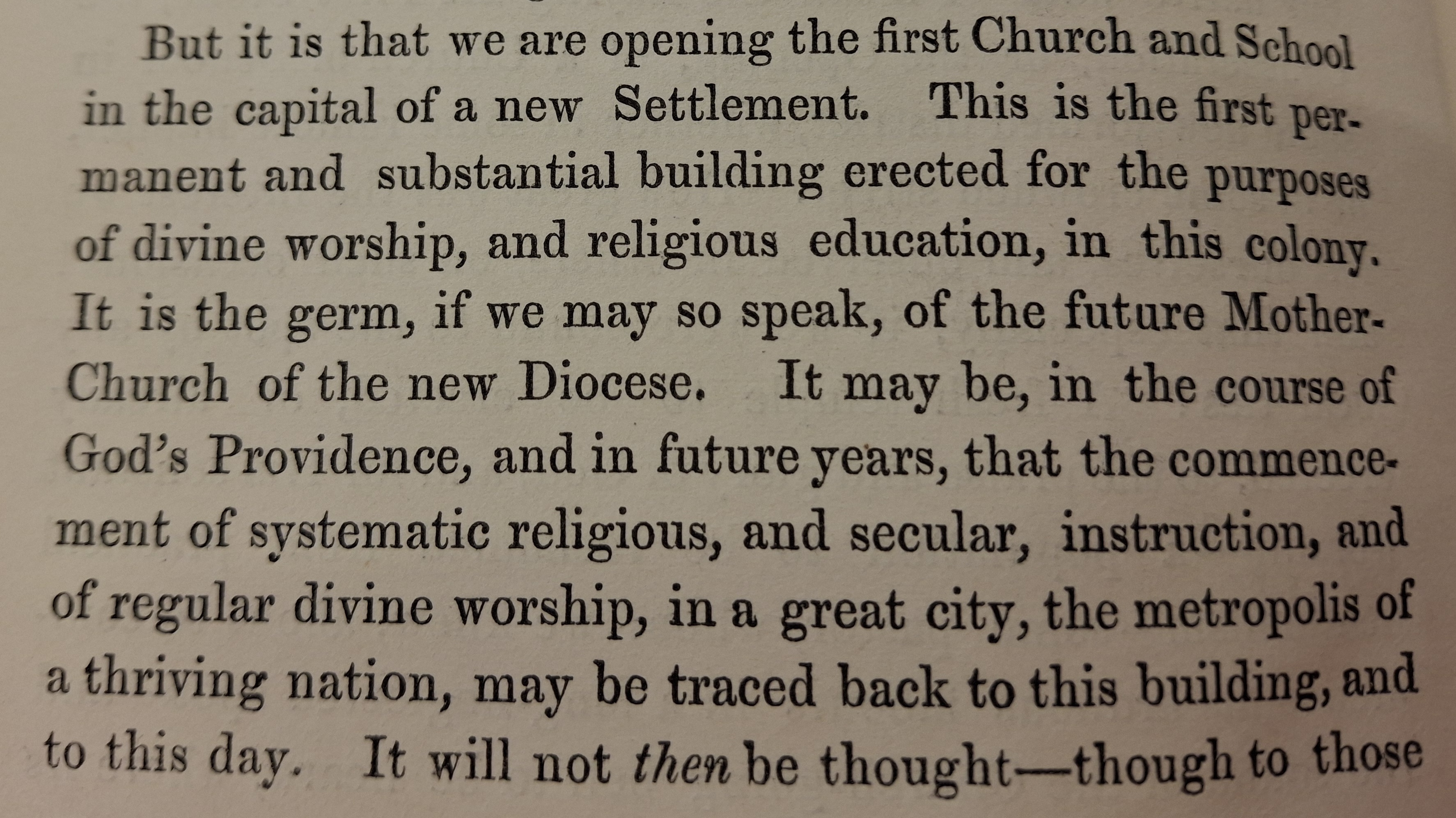
On Sunday 20 July 1851, the Revd Henry Jacobs preached at the opening of the first church and school in Christchurch. He described it as the “first permanent and substantial building erected for the purposes of divine worship and religious education” in the colony. Although substantial, the building was in fact rudimentary and intended primarily as an elementary and commercial school, serving only temporarily as a church.
The establishment of this school fulfilled one of the Canterbury Association’s founding aims. In mid-nineteenth-century England, the Church was the principal provider of education. Schooling sought to instil respect for authority, honesty, diligence, loyalty to Queen and country, and sound knowledge of Scripture, together with Christian moral formation. From the beginning, religious instruction, prayer, and moral development were inseparable from literacy and numeracy.
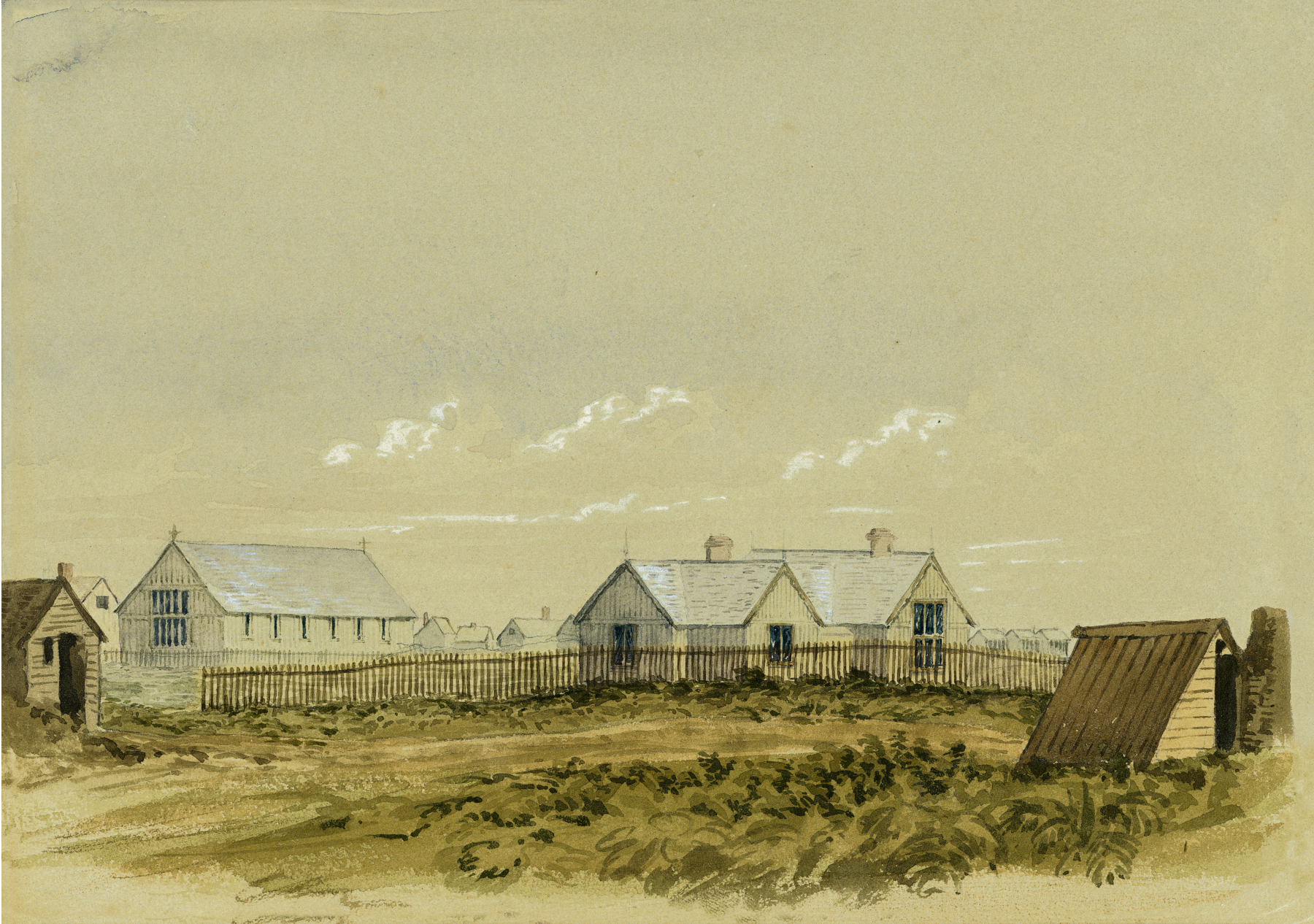
Parsonage and Church/School/ James Edward Fitzgerald, Supplied by Haydn Rawstron
Approximately 66 boys and girls were enrolled in the early months. After a long period of relative freedom on the plains, the children may have been less enthusiastic about the school’s arrival than their parents.
John Bilton was appointed the first schoolmaster (and also served as the church’s first organist). As settlement increased, so did enrolment, and the building required extensions. Until the end of 1853, the Commercial School at the Church at Christchurch remained the only elementary school in the town.
The Grammar School (later Christ’s College) moved from Lyttelton in 1852 and temporarily occupied the vacant St Michael’s parsonage until 1856. A spirited rivalry developed between the boys of the two schools.
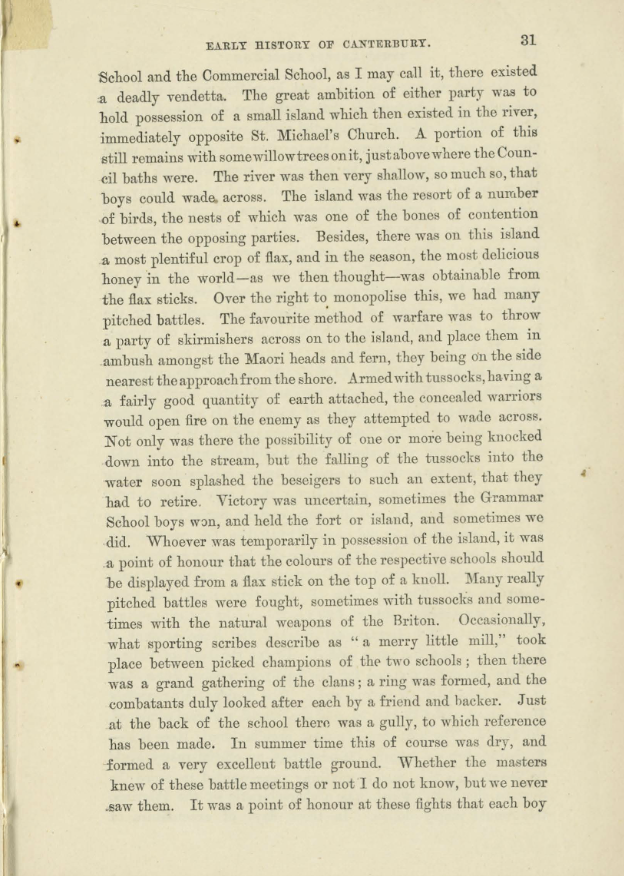
Stray leaves from the early history of Canterbury / George Hart p30
Following financial difficulties, the Canterbury Association was dissolved. In 1853, the newly elected Provincial Council assumed responsibility for its affairs, and in 1854 the Provincial Government made its first provision for public education.
By mid-1854, concerns about educating boys and girls together led to their separation.
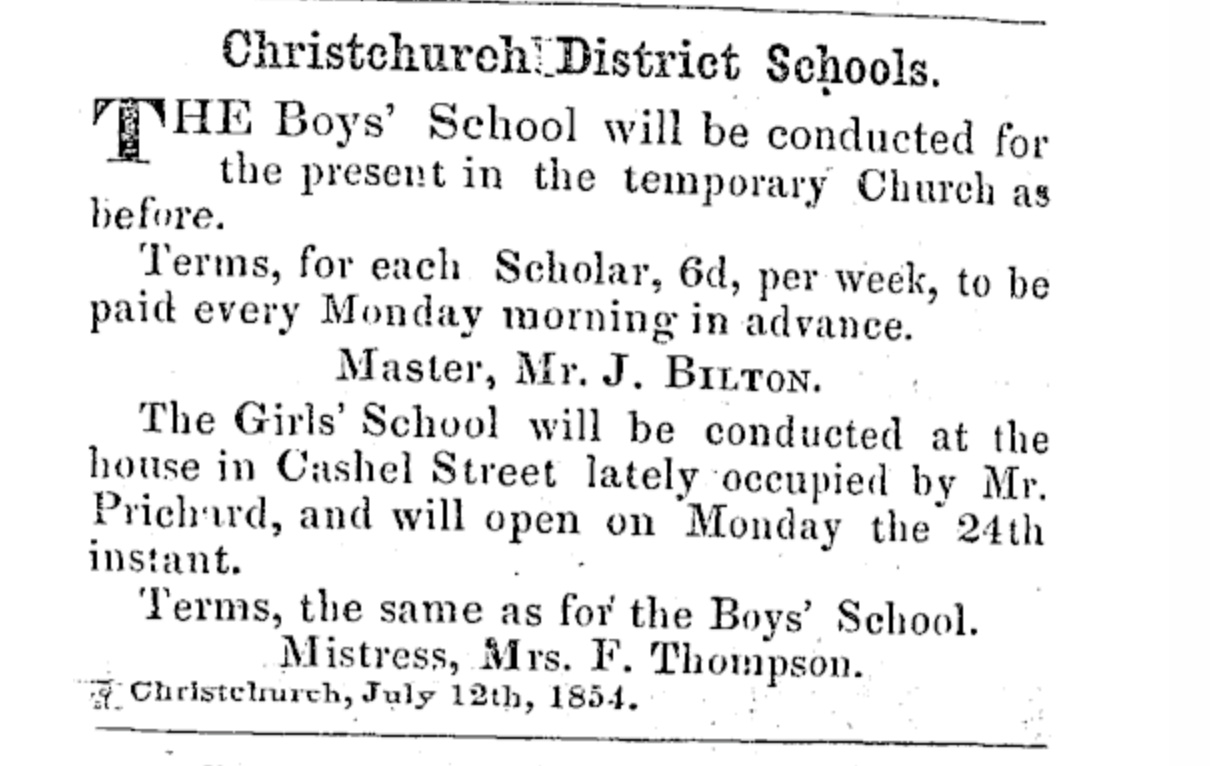
https://paperspast.natlib.govt.nz/newspapers/LT18540722.2.16.1
By 1859 the church was known as St Michael’s, and the school was gradually known by the same name. A reference from that year locates the school in Tuam Street. The 1862 city map shows it in its present position on the corner of Tuam and Durham Streets. The building comprised:
- a schoolroom measuring 37 x 23 feet
- a classroom measuring 14 x 10 feet
- a master’s residence
https://collection.canterburymuseum.com/objects/767647/photograph-first-school-in-christchurch
In 1865, night classes were introduced for working boys who had left school early. In later decades general night classes were also run.
As government Board Schools expanded, funding became increasingly contested, and many small private schools were established. Although enrolments remained healthy, St Michael’s School struggled financially.
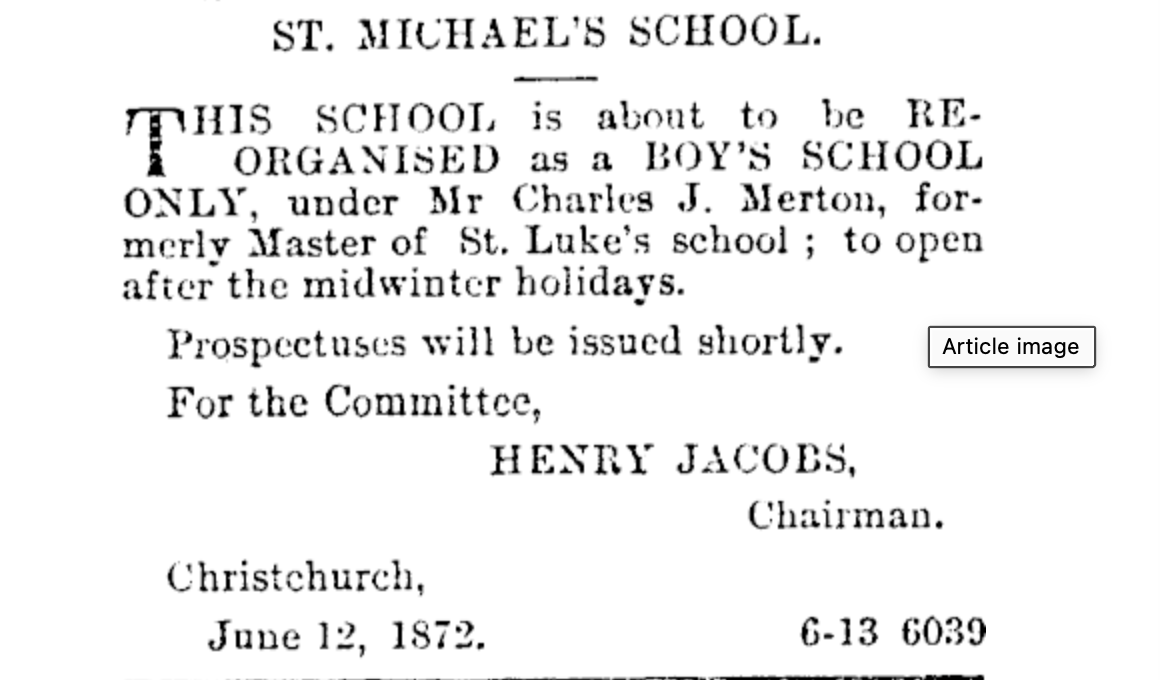
On 13 June 1872, it was announced that the school would be reorganised as a boys’ school only. By August, 130 boys were enrolled, compared with 70 the previous year. However, nothing appears to have been offered for girls.
The school remained under the Board of Education, whose control over appointments created unease within the Church. Under Charles Merton, enrolments rose to 150 boys and academic results were strong. It was in 1873 that the first reference to St Michael’s Church day school appeared. Nevertheless, increasing financial pressure proved insurmountable. Government grants to church schools were reduced and, in 1874, ceased entirely. By March 1874 the school had closed in debt.
For nine years the school remained closed. During this period, attention turned more seriously to the flourishing Sunday School, whose numbers already exceeded 200. In 1877, a substantial new schoolroom—now the parish hall—was designed by Thomas Cane to accommodate this growth (Peters, Christchurch St Michael's).)
The success of the Sunday School sustained the hope of reopening the Day School. In May 1883 it reopened with 19 pupils (girls and boys). By 1886 enrolment exceeded 100, but the economic depression from 1888 again reduced numbers and salaries were cut.
Not until 1907, with 150 children on the roll and the support of an increasing diocesan grant, could the school be considered securely established. By this stage, it required virtually no financial support from the parish.
In 1901 Kate Kiver was appointed headmistress, serving until 1936. She worked tirelessly to improve conditions for students and staff amid fluctuating finances and economic uncertainty (Peters, Christchurch St Michael's).
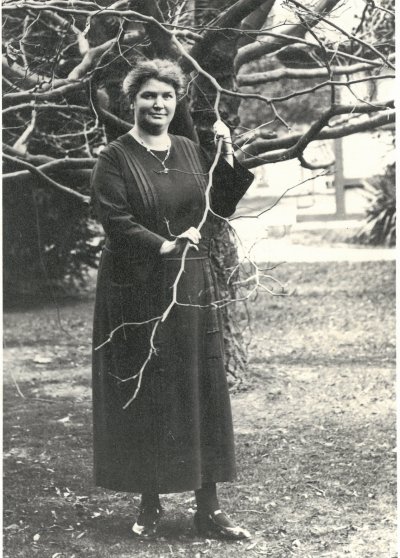
Kate Kiver, Headmistress 1901-1936, Christchurch-St Michael Collection, Christchurch Anglican Diocesan Archives PAR021
By 1913 enrolment exceeded 200, necessitating new buildings. Under the leadership of the Revd Harry Burton, the 1877 hall was moved south and new stone classrooms, designed by Cecil Wood, were constructed and opened in July 1913. Of the £3000 cost, more than half was raised by subscription, assisted by the work of both a general and a ladies’ committee.
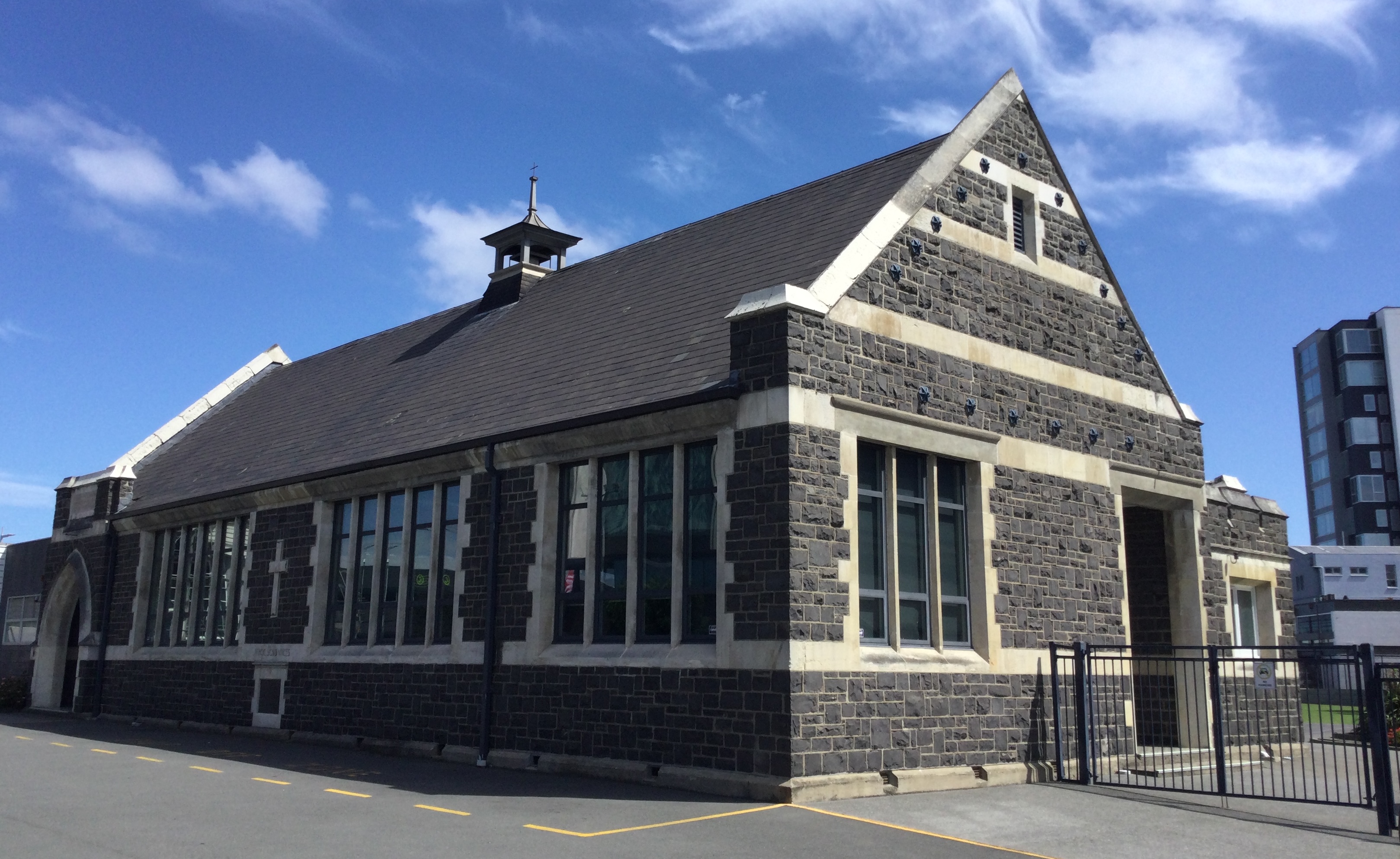
The 1913 Stone School Building
In 1913 a school committee, separate from the vestry and including women, was elected. Burton declared that “no work in the Parish [was] more important than our school maintenance.”
After Burton’s departure, enrolment continued to rise, but parish debt became burdensome. In 1918 the Diocese assumed greater responsibility through a newly established Diocesan Board of Education, which took over control, management, and debt. Parishioners were encouraged by Fr Charles Perry to contribute a “school pence” offering each time they came to church. Under the arrangement with the Diocese the Vicar retained responsibility for religious education and worship.
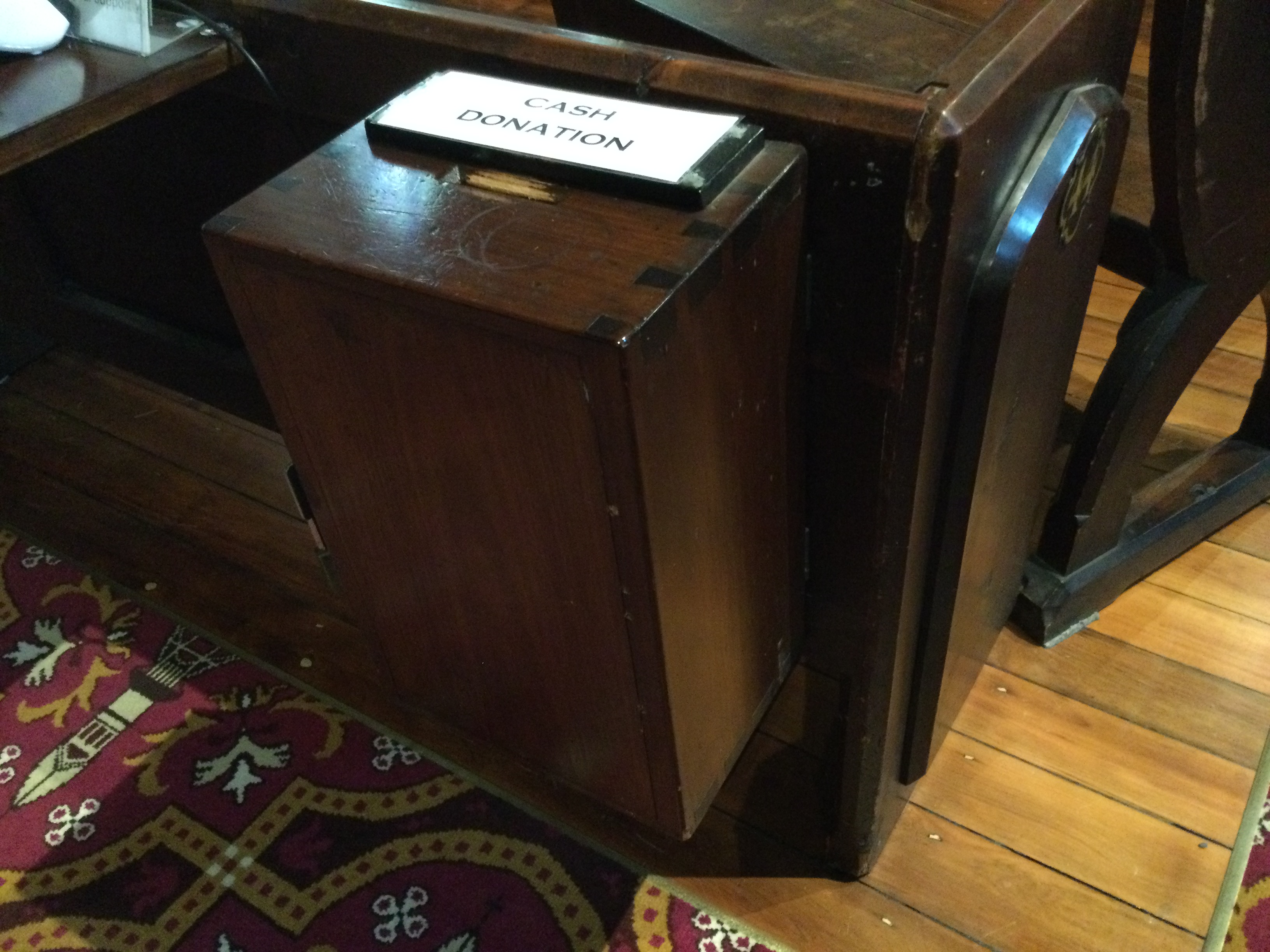
School Pence box today
In the late 1930s, financial strain during the Depression led the Diocese to withdraw from expanded educational commitments. The parish resumed management.
The school was also experiencing hardship but with the help and support of the Community of the Sacred Name its fortunes revived. The presence of the Sisters of the Community strengthened both religious life and educational provision.
Novice Hilda (later Sister Hilda) served temporarily as headmistress in 1937–38 and continued under Sister Eleanor (1939–41) and Sister Teresa (1941–51). She later resumed the headship and remained until 1976. At least two Sisters taught full-time throughout these years. By 1946–47 enrolment again exceeded 200 (Peters, Christchurch St Michaels)
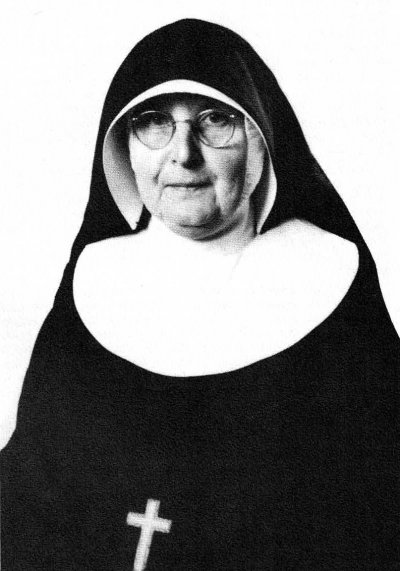
Sr Hilda CSN
For three decades the school enjoyed relative stability and close cooperation between parish and school. Additional classrooms were built, with the cost met by a bequest to the Parish from Frank Price, a former organist and the school spread out across the site, also taking over St Osmund’s Room. St Michael’s survived while other church schools closed.
The Sisters withdrew in 1981, creating new financial pressures. Robin Penman was appointed headmaster in 1977, marking a period of significant change. Historically, St Michael’s charged lower fees than other Anglican schools, aiming to remain accessible to parish families. However, staff could no longer be paid below state rates, and compliance with modern educational standards required increased resources. State Integration was a possibility but the Vicar Fr Philip Baker felt this could severely compromise the religious character of the school (Harding & Ward, St Michael’s School 1851-2001).
Throughout the 1980s and 1990s, enrolment fluctuated and financial viability remained fragile. The limited inner-city site constrained expansion, yet relocation would have severed the vital link with the church. It was becoming increasingly difficult see how the school, opened in the mid 19th century, could operate and survive as a 21st century school under a governance model set in place almost a hundred years before.
Under the Vicar, Fr Peter Williams and the Principal, Lois Daniels, the school and parish attempted to address the problem. The Parish continued to regard the school as the major outreach of the church into the community, while acknowledging the school needed to manage its own business and operate in today’s environment, and lent its support to the repeal of the old ‘Primary Day Schools’ Statute and enactment of the St Michael’s Church School Statute, setting out a new constitution for the school.
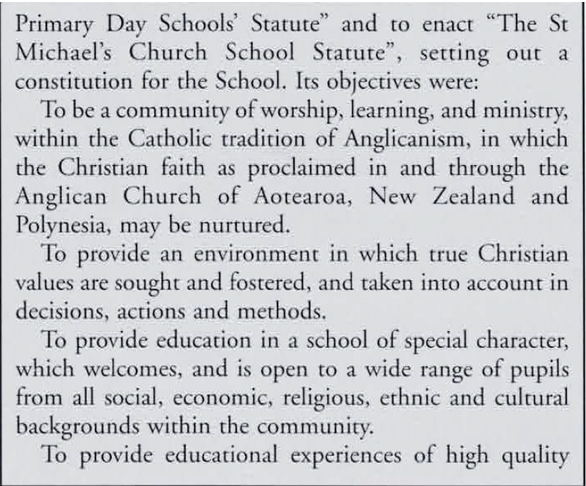
(Harding & Ward, St Michael's School 1851--2001)
As a step in faith and part of this commitment to what the church saw as its mission and to secure the school’s future, the Parish Trust undertook a major redevelopment. The hall was moved for a second time, new classrooms were constructed, and the stone school building refurbished. The rebuilt campus, designed by Wilke and Bruce opened on 6 June 2003.
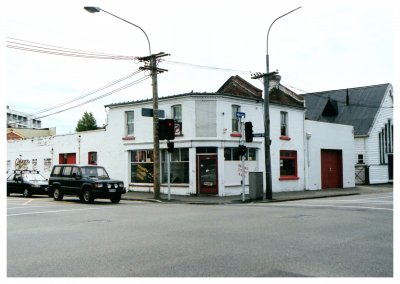
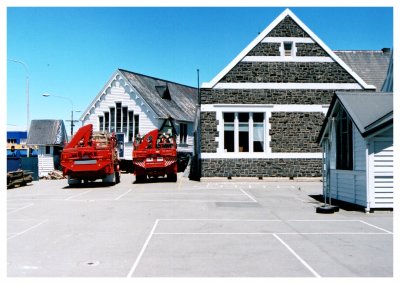
2002, moving the 1877 Hall for the second time. The old shops sat where the first purpose-built school buildings were / P.O. Williams
In 2011 St Michael’s Church School faced another setback when the 2010-2011 Christchurch Earthquake Sequence, damaged buildings and businesses in the inner city. Enrolment dropped sharply, and severe financial strain followed. Once again, the parish, supported in part by the Diocese and the St John’s College Trust, assisted the school financially through a difficult recovery period.
Since then, parish and school have continued to renegotiate the practical realities of sharing a small inner-city site, balancing the life of an urban Anglican parish with that of a primary school.
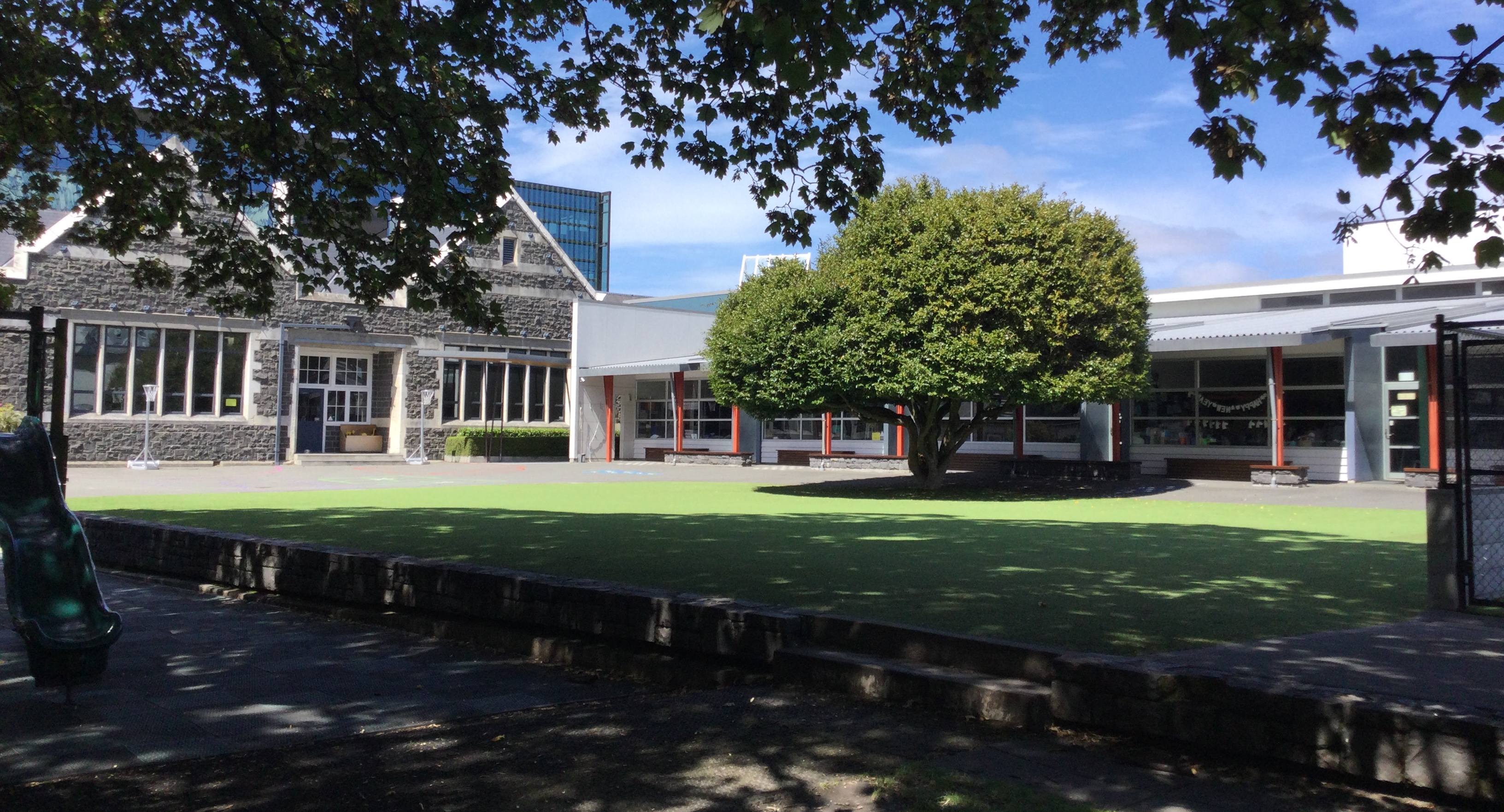
St Michael’s Church School 2026
Across 175 years, the parish has remained faithful to the founding ideals of the Canterbury Association: educating children in the light of Christ, forming both mind and character within a committed Christian community.
Johnann Williams
Works cited
Peters, Marie. Christchurch-St Michael's: A Study in Anglicanism in New Zealand, 1851-1972 Ward, Glenys. In this Sign: An Outline of the Establishment of the School of S. Michael and All Angels Harding, Mary and Glennys Ward. "The History of St Michael’s School" in St. Michael and All Angels, Christchurch: Commemorating 150 Years: Church and School 1851-2001